
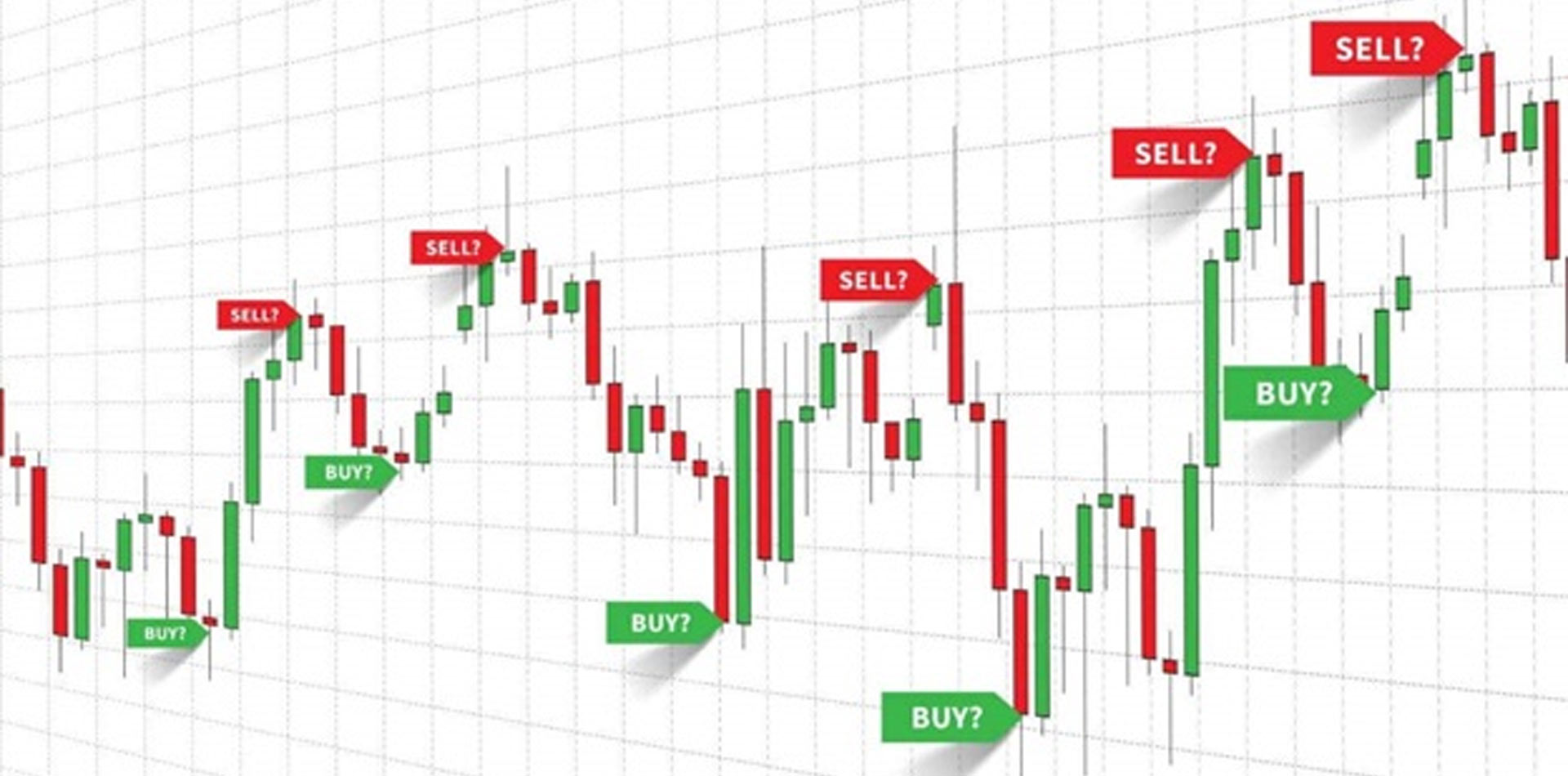
Forex trading signals have become essential tools for traders of all experience levels. These signals offer valuable insights into market trends, trading opportunities, and potential entry and exit points. Whether you’re using premium or forex trading signals free, understanding how to interpret them is crucial. To truly benefit from forex trading signals, you need to know how to use them effectively. In this article, we’ll break down what forex signals are, how they work, and how you can incorporate both paid and free forex trading signals into your strategy for maximum profitability.
What Are Forex Trading Signals?
Forex trading signals are recommendations or alerts that indicate opportunities to buy or sell currency pairs based on market analysis. These signals can be generated by:
- Human Analysts: Professionals who use technical and fundamental analysis to predict market movements.
- Algorithmic Systems: Software or AI tools that analyze data and produce signals automatically.
Signals often include:
- Currency Pair: The forex pair to trade (e.g., EUR/USD).
- Action: Whether to buy or sell.
- Entry Point: Suggested price to open the trade.
- Stop-Loss: A price level to close the trade if it moves against you.
- Take-Profit: A price level to close the trade when it hits your desired profit.
How to Use Forex Signals Effectively
1. Choose the Right Signal Provider
The first step is finding a reliable signal provider. Look for providers with:
- A proven track record of success.
- Transparent performance metrics.
- Positive reviews and testimonials from other traders.
Many forex brokers also offer signal services as part of their platform, so research broker reviews to identify the best options.
2. Understand the Signal Before Trading
It’s tempting to act immediately on a signal, but blindly following them can be risky. Take time to:
- Analyze the logic behind the signal.
- Verify if it aligns with your trading strategy and risk tolerance.
- Check if the market conditions support the recommendation.
3. Combine Signals with Your Own Analysis
Forex signals are powerful tools, but they should not replace your own research. Use them to:
- Confirm trends identified in your technical analysis.
- Validate fundamental news impacting currency pairs.
By combining signals with your personal insights, you can make more informed trading decisions.
4. Use Stop-Loss and Take-Profit Levels
Always apply the stop-loss and take-profit levels provided with the signal. These risk management tools:
- Protect you from significant losses.
- Lock in profits when the market moves in your favor.
Even if you adjust these levels, ensure they align with your overall trading plan.
5. Practice Risk Management
Trading signals don’t guarantee success. To minimize risks:
- Avoid over-leveraging your trades.
- Use only a small percentage of your capital per trade (1-2% is recommended).
- Diversify your trades to spread the risk across multiple currency pairs.
6. Backtest and Demo Trade
Before using signals in a live trading account, test them in a demo account. This allows you to:
- Evaluate the reliability of the signal provider.
- Understand how the signals perform under different market conditions.
Backtesting historical signals is another great way to gauge their effectiveness.
The Pros and Cons of Forex Trading Signals
Pros:
- Save time by eliminating the need for constant market monitoring.
- Help beginners learn and understand market trends.
- Offer opportunities to profit even without advanced trading knowledge.
Cons:
- Relying too heavily on signals can stifle learning.
- Not all providers are reliable; some may offer low-quality or outdated signals.
- Market conditions can change rapidly, making some signals less effective.
Top Tips for Maximizing the Benefits of Forex Signals
- Stay Updated: Markets evolve, so ensure your signal provider updates their strategies accordingly.
- Don’t Overtrade: Follow only the best signals that align with your strategy.
- Track Your Performance: Keep a journal of how signals perform in your trades and adjust your approach as needed.
- Avoid Emotional Trading: Stick to your trading plan, even if some signals result in losses.
Conclusion
Trading signals forex can be a game-changer for your trading journey if used wisely. They provide valuable guidance, especially for new traders, but they’re not foolproof. Whether you’re relying on premium services or exploring free forex trading signals, it’s important to choose a reputable provider. By combining signals with your own analysis and practicing solid risk management, you can use forex signals effectively to enhance your trading success.
Whether you’re a beginner or an experienced trader, incorporating signals into your strategy can help you stay ahead of the market. Explore broker reviews to find platforms that offer the best forex trading signals tailored to your needs. If you’re focused on short- to medium-term trades, forex swing trading signals can be especially useful. Take the first step toward smarter, more informed trading today.
Visit our YouTube channel for expert tips and strategies to boost your forex trading performance.
For a comprehensive list of brokers, please visit https://www.iamatradersa.com/forex-broker-comparison/